Best GPS Trackers for Dogs: Complete Buyer’s Guide
GPS trackers for dogs have become one of the most valuable tools for modern pet owners. Whether your dog enjoys exploring parks, hiking trails, or simply running around the yard, GPS tracking technology helps ensure that you always know where your pet is.
Modern tracking devices offer much more than simple location monitoring. Many devices include activity tracking, geofencing alerts, health insights, and smartphone integration. These tools help owners protect their pets while also learning more about their daily behavior.
You can explore many of these devices in the Pet GPS Trackers & Collars category, where different models offer a variety of features and tracking capabilities.
Why GPS Trackers Are Important for Dogs
Dogs are naturally curious animals. Many enjoy chasing scents, exploring unfamiliar areas, or running after wildlife. Unfortunately, this natural curiosity can sometimes lead to pets wandering away from home.
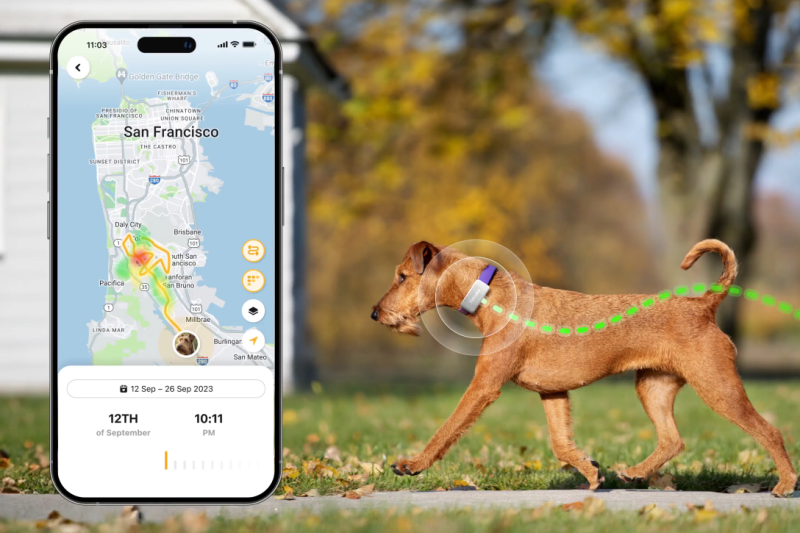
GPS trackers give pet owners an additional layer of security by providing real-time location tracking and alerts when a pet leaves a designated safe area.
Key Safety Benefits
- Real-time location monitoring
- Immediate alerts when pets leave safe zones
- Location history tracking
- Peace of mind during walks or travel
Many owners also combine GPS tracking with pet health trackers to monitor activity levels while keeping track of their pet’s location.
How GPS Dog Trackers Work
Most modern GPS pet trackers use satellite positioning combined with cellular or WiFi networks. The device sends location data to a smartphone app, allowing owners to monitor their pet’s movements in real time.
Some trackers also include Bluetooth connectivity that helps locate pets within short distances when GPS signals are weak.
Core Technology Components
- GPS satellite positioning
- Cellular network connectivity
- Mobile app tracking
- Geofencing alerts
Important Features to Look For
Battery Life
Battery life varies widely among GPS trackers. Some devices last only one or two days, while others can operate for weeks between charges.
Water Resistance
Dogs frequently encounter water, mud, and rain. Choosing a waterproof device ensures reliable performance in all environments.
Geofencing
Geofencing allows owners to set virtual boundaries. If the dog leaves this area, the app immediately sends an alert notification.
Activity Monitoring
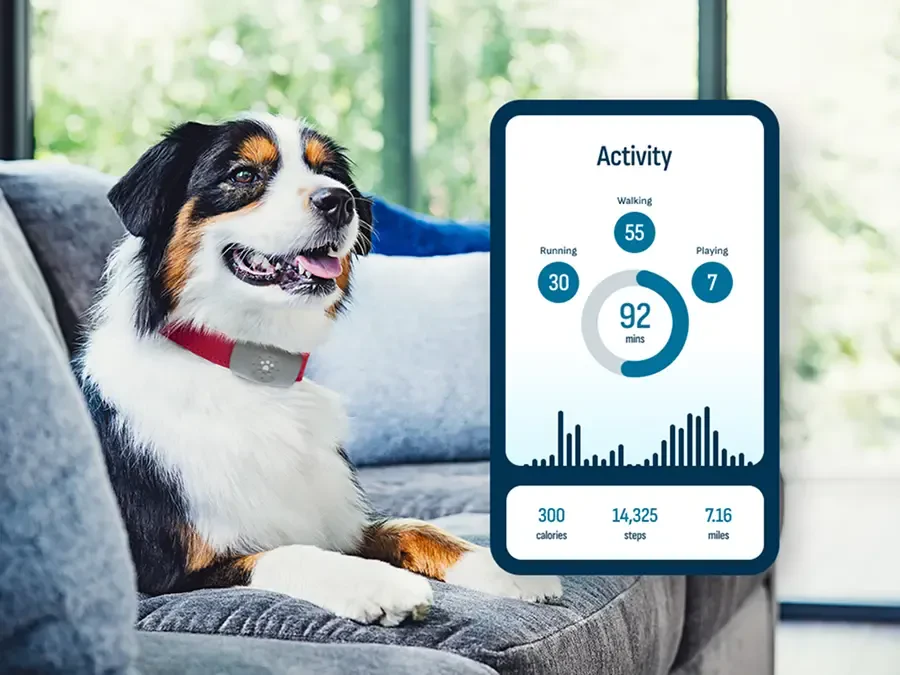
Many trackers include built-in activity monitoring. These features allow owners to measure daily exercise levels and compare activity patterns over time.
These features are commonly found in devices listed under the Pet Health Trackers category.
GPS Trackers vs Microchips
Many pet owners confuse microchips with GPS trackers. While both are important safety tools, they serve different purposes.
- Microchips: store identification information for veterinary scanning
- GPS trackers: provide real-time location tracking
Using both technologies together provides the best protection for pets.
Best Situations for Using GPS Dog Trackers
GPS tracking devices are particularly helpful for dogs that spend time outdoors or travel frequently.
Outdoor Adventures
Dogs that enjoy hiking, camping, or running off-leash benefit greatly from GPS monitoring.
Large Properties
Owners living on farms or large properties may have difficulty keeping track of their pets. GPS trackers make monitoring easier.
Urban Safety
In busy cities, a GPS tracker helps owners quickly locate pets if they escape through an open door or gate.
Building a Complete Smart Pet Safety System
GPS tracking is just one part of a larger smart pet care system. Many pet owners combine multiple technologies to monitor their pets more effectively.
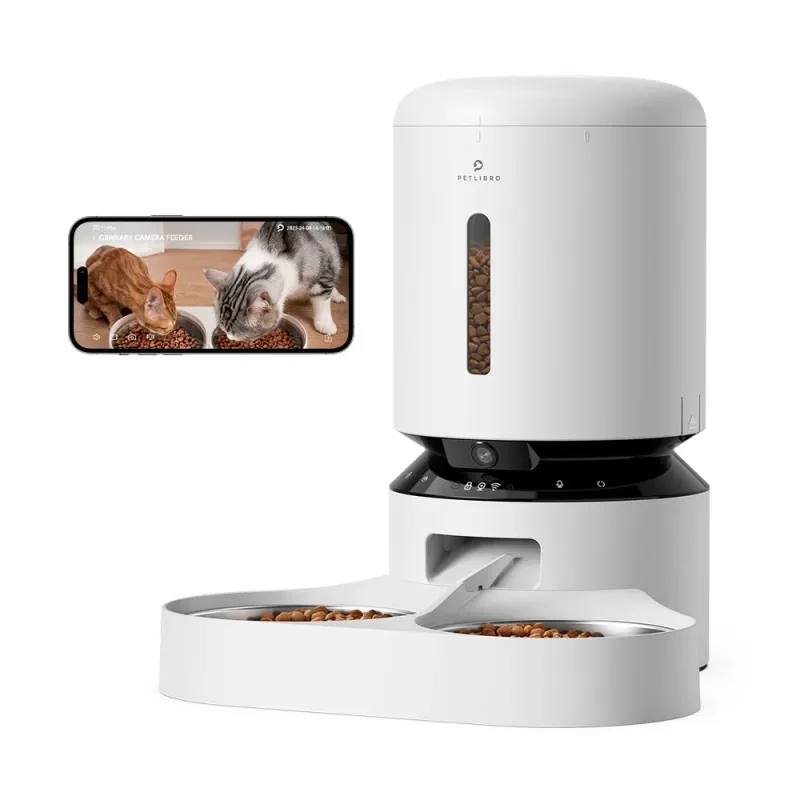
For example, devices such as pet cameras allow owners to observe pets at home, while automatic feeders ensure pets maintain consistent meal schedules.
Together, these technologies create a connected environment that supports both safety and daily care routines.
Frequently Asked Questions
Are GPS trackers safe for dogs?
Yes. Most GPS trackers are lightweight and attach directly to the dog’s collar without causing discomfort.
Do GPS dog trackers require a subscription?
Some trackers use cellular networks and require subscription plans, while others rely on Bluetooth or community tracking networks.
Can GPS trackers work indoors?
Indoor signals may be weaker, but many devices use WiFi positioning to improve accuracy.
How accurate are GPS pet trackers?
Most modern trackers provide location accuracy within a few meters depending on signal strength.
Are GPS trackers worth the investment?
For many pet owners, the peace of mind and safety benefits make GPS trackers a worthwhile investment.