Keeping tabs on your pet's health is super important, and temperature monitors are a game changer. Pets can’t tell us when they're feeling under the weather, so having a reliable way to check their temperature can save a lot of worry. A simple temperature reading can flag potential issues before they become serious.
Temperature monitors are especially handy for those sensitive breeds or aging pets that might be more susceptible to temperature changes. Just like us, pets can get too hot or too cold. A temperature monitor helps you catch these changes early, so you can act quickly if something seems off.
These gadgets are typically easy to use. Many are designed for home use, providing quick readings without causing stress to your furry friend. Some even allow you to track temperature over time, giving you a clearer picture of your pet’s health trends.
With the right monitor, you can avoid trips to the vet for minor issues. It’s all about keeping your pet happy and healthy—and knowing their temperature is a big part of that. Investing in a good pet temperature monitor not only brings peace of mind but also enhances your ability to keep your companion in tip-top shape.
How They Work for Your Pet
Pet temperature monitors are super handy gadgets that help you keep tabs on your furry friend’s health. They can quickly tell you if your pet has a fever or if they’re just lounging in the sun. Most of these monitors work by placing a small probe in your pet’s ear or rectum, providing a quick and reliable reading. It’s really that simple!
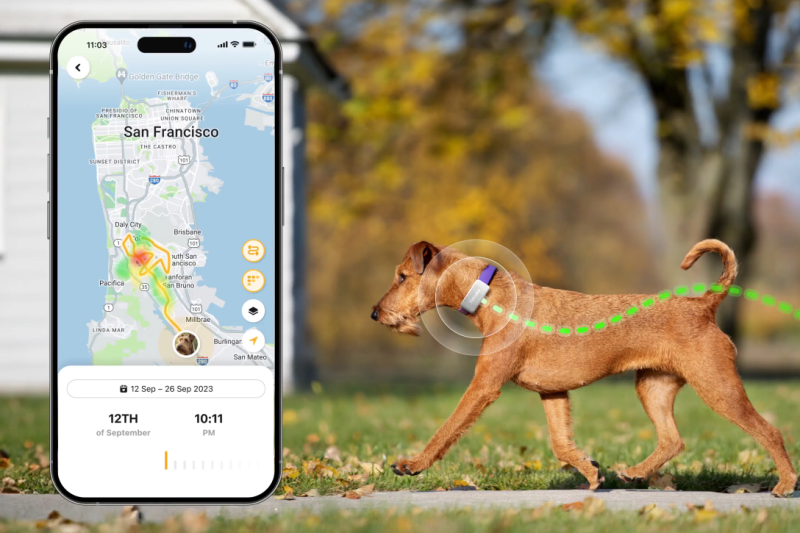
Some models connect to your smartphone via Bluetooth or Wi-Fi, letting you check your pet’s temperature right from your couch. If you’re out and about, many of these devices send alerts straight to your phone if your pet’s temperature goes outside the normal range. It’s a real game-changer for busy pet owners who want peace of mind.
Most pet temp monitors are designed with comfort in mind. They come with soft, flexible tips that won’t irritate your pet. Plus, the readings are quick, so you won’t have to wrestle with your furball for long. Many people find that their pets adjust to the process quickly, especially if you keep it calm and positive.
These devices can also be great for tracking your pet's health over time. Some monitors even keep a history of temperatures, which is super useful for vet visits. You’ll have solid information to share with your vet, which can help them give the best care possible. Having a pet temperature monitor makes it easy to stay on top of your pet’s well-being!
Choosing the Right Monitor for You
Picking the right pet temperature monitor isn't rocket science, but it does help to know what you need. First off, think about your pet's size and species. A monitor that works well for a cat might not be great for a big dog. Make sure the device can handle whatever kind of furball you have!
Next, consider how easy it is to use. You want a monitor that lets you check your pet’s temperature without a hassle. Look for features like a clear display and quick readings. If you're not tech-savvy, go for something straightforward that you can use right out of the box.
Battery life is a big deal too. You don’t want your monitor dying on you during an important check. Some monitors come with rechargeable batteries, while others use disposable ones. Figure out what fits best with your lifestyle. If you travel a lot or have a busy schedule, a reliable battery life is essential.
Finally, think about additional features. Some monitors come with apps that let you track your pet's health patterns over time. Others can even send alerts to your phone if something seems off. If keeping tabs on your pet’s health is important to you, these extras can be a game changer.
Tips for Using Temperature Monitors
Using temperature monitors for your pet can feel a bit overwhelming at first, but it’s really pretty simple once you get the hang of it. Here are some tips to make the most out of your pet's temperature monitor.
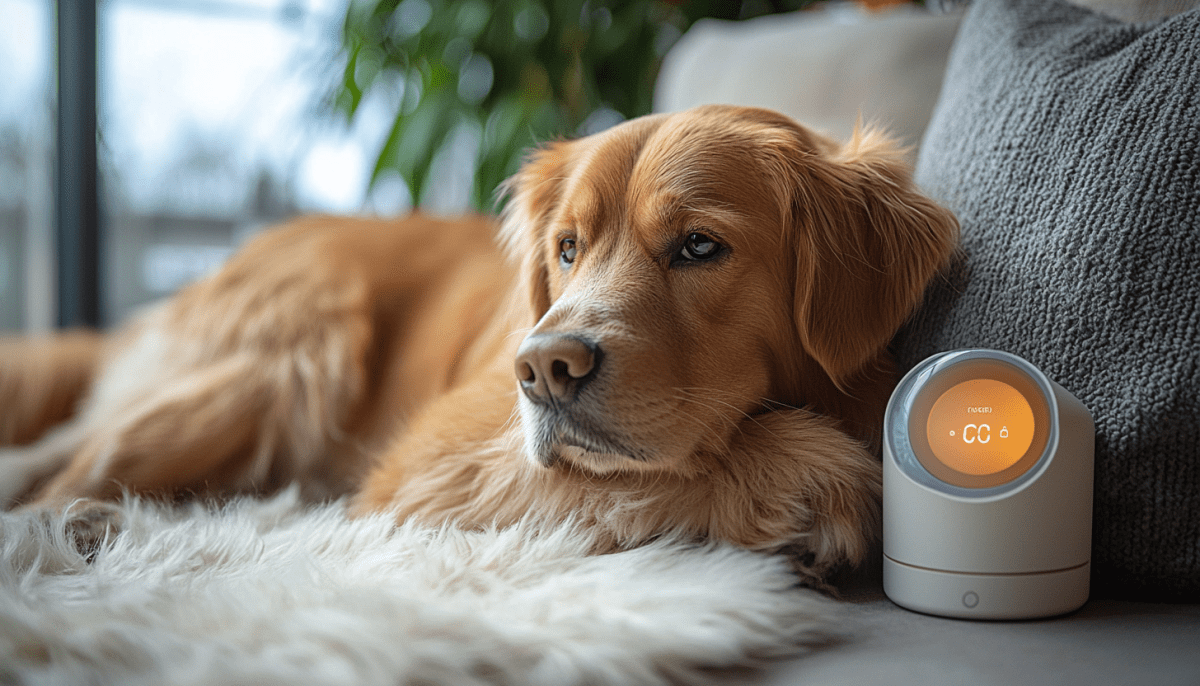
First off, choose a comfortable spot for the monitor. You'll want it in a place where your pet hangs out most, like their bed or favorite lounging area. If the monitor is easy to access, and close to them, you’re more likely to catch any temperature changes.
Make sure to check the battery life regularly. You don’t want the monitor to die at a crucial moment. Some monitors come with battery alerts that’ll remind you when it’s time to change or charge. Keep your eyes peeled for those notifications!
Also, take some time to get to know the normal temperature range for your pet. For dogs, it's usually between 101 and 102.5 degrees Fahrenheit, while cats are similar. Knowing what's normal helps you spot any unusual spikes or drops—this can be super important for their health.
Lastly, don’t hesitate to reach out to your vet with any concerns. They can help you interpret the data from your monitor and guide you on what to do next if anything seems off. Keeping your furry friend healthy is the goal, and having that extra support goes a long way!